
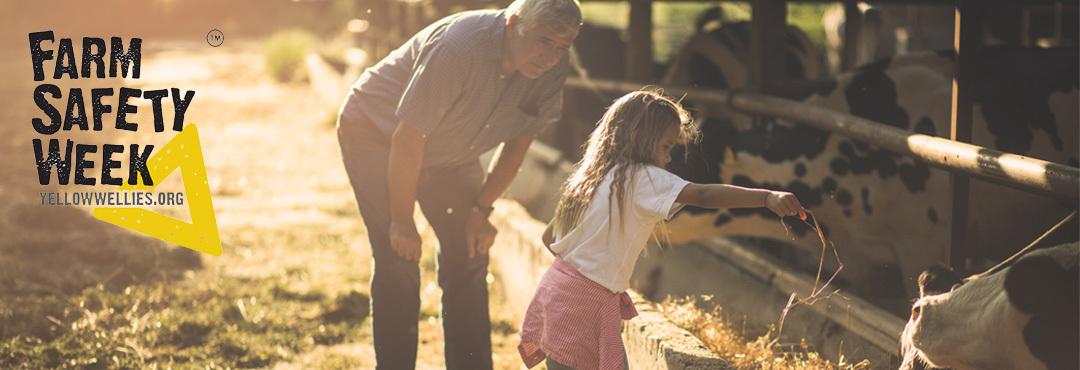
Managing Operational Risk and Insurance Liability This Farm Safety Week
As the UK agricultural sector enters the demanding summer harvest period, operational activity increases significantly. While sustaining productivity is essential for commercial success, effectively managing these risks can help reduce losses and support compliance with policy terms and conditions.
With Farm Safety Week (20–24 July 2026) arriving, principal farmers, estates and contractors are being urged to move past basic, repetitive health and safety advice. Led annually by the Farm Safety Foundation (Yellow Wellies), this industry-wide initiative serves as a vital operational reminder: in modern agriculture, a poor risk profile can increase operational risk and may affect future insurance arrangements.
The Statistics of Risk in 2026
It is an unavoidable truth that farming remains the most dangerous industry in the UK. The agricultural sector employs 1% of the national workforce, yet it consistently accounts for approximately 20% of all workplace deaths.
Data from the 2025/26 HSE Fatal Injury reports indicates a sharp rise in incidents, with 33 lives lost on British farms in the last year, which is a significant increase from previous reporting periods. From an insurance perspective, these statistics are not only numbers; they represent significant employers' liability and public liability exposures that can be a threat to the stability and legacy of family-run holdings.
As Alicia Chivers, Chief Executive of the Royal Agricultural Benevolent Institution (RABI), stated regarding the need for better emergency resources:
"It’s unacceptable that too many farming families are devastated by what are often preventable tragedies, with lives being lost due to a lack of understanding of how to administer immediate critical care at the scene."
Too many of these incidents are exacerbated by the isolated nature of rural accidents, patchy mobile signals, and a lack of immediate, on-site critical care.
Connecting Safety to Liability
Many insurance policies contain terms requiring policyholders to take reasonable precautions to prevent loss or damage therefore, risk mitigation must be integrated into daily operations. During the busy summer harvest, focusing on these core safety areas has an impact on your farm’s operational risk and liability profile:
1. Transport, Machinery and the "Platinum 10 Minutes"
Machinery failure and transport incidents remain primary drivers of catastrophic claims. During the harvest rush, a failure to execute basic procedures such as the HSE "Safe Stop" protocol can result in severe machinery entanglement or runaway vehicle losses.
Newly launched for the 2026 season, the RABI FarmersAid app is a response to these industry challenges. By utilising its paramedic-verified offline trauma protocols and integrating what3words location precision, farms can bypass rural mobile signal "black spots" to drastically minimise response times during the critical "Platinum 10 Minutes" following a serious injury.
Establishing a digitally enabled emergency protocol proves a proactive approach to your duty of care. Maintaining appropriate records may assist in demonstrating the steps taken to manage risks should a claim arise.
2. Evolving Demographics and Statutory Compliance
The summer months bring unique demographic risks to the farmyard, particularly concerning children and older workers.
- Children on the Farm: July brings school holidays and increased activity. Professional management dictates that the farmyard is a workplace, not a playground. Under the Prevention of Accidents to Children in Agriculture Regulations, children under 13 are prohibited from operating or riding on machinery. Utilising resources from the Farm Safety Foundation to establish no-go zones is a non-negotiable part of modern farm management.
- An Older Workforce: Concurrently, managing an older workforce is also important; workers aged 65 and over accounted for nearly 40% of agricultural fatalities last year. Experience is vital, but adapting tasks to account for naturally decreasing reaction times is a strategic decision to ensure the farm’s leadership remains intact.
Breaching statutory age limits or failing to document robust risk assessments for vulnerable workers can lead to severe regulatory prosecutions, fundamentally complicating your position during a liability claim investigation. As specialist insurers, Our team can discuss insurance considerations relating to your farming operations and signpost relevant risk management resources
3. Public Interaction and Livestock Management
July coincides with peak seasonal foot traffic, intersecting with livestock grazing on public rights of way. Therefore, standard risk management must evolve alongside seasonal changes. Inspecting boundary integrity, installing compliant warning signage and strategically mapping fields to ensure maternal livestock are kept away from public footpaths are critical operational standards.
Public Liability claims arising from livestock-related pedestrian injuries are inflation-sensitive and financially devastating. Documented, daily checks of boundary fencing serve as primary evidence to defend your business against claims of negligence.
4. The Fatigue Factor and Occupational Health
The long, 15-hour working days typical of July harvest windows lead directly to cognitive fatigue, a primary root cause of catastrophic operational errors. Reviewing the HSE Safe Stop procedure with all staff is recommended
Furthermore, long-term exposures such as failing to enforce COSHH regulations regarding grain dust or neglecting to use correct Respiratory Protective Equipment (RPE) during bin cleaning can degrade your workforce over time. Forward-thinking businesses are actively working to eliminate the stigma of agricultural burnout by utilising specialised support networks.
Industry Core Resources
To help your agricultural business stay ahead of compliance and evaluate risk, we recommend exploring and bookmarking these reputable industry resources during Farm Safety Week:
- Toolkits: Access downloadable safety guides, interactive materials, and next-generation educational toolkits via the Farm Safety Foundation (Yellow Wellies) website, the UK's leading charity dedicated to driving behavioural change across the agricultural sector.
- NFU Guidance: Stay informed on current agricultural vehicle compliance, regional safety initiatives and legal frameworks by checking out the NFU Farm Safety Hub.
- Mental Health & Workplace Wellbeing: To address the critical link between physical safety and mental health, leverage the rural-focused support systems provided by the Mates in Mind Agricultural Sector Support Hub, an established charity specialising in mental ill-health prevention across trade and rural industries.
RABI and Insurance
For commercial farmers and contractors, there is a direct correlation between safety standards and financial stability. In the same way specialist farm insurance protects your physical assets and legal liabilities, the wider agricultural charity network acts as a crucial secondary defence against operational downtime.
If a key worker is absent due to injury, RABI can provide specific financial grants for relief labour such as contractors or relief milkers, ensuring the farm remains productive during recovery. Integrating these external relief initiatives with internal safety tools may help reduce the operational and financial impact of unexpected disruption.
As the pressure of the harvest season builds, protect the business you’ve built. Leaning on the network of support, digital tools and legal guides available this Farm Safety Week not only ensures that compliance is met but also that you are actively securing your farm’s reputation and long-term insurance stability for the seasons ahead. For a review of your risk profile or insurance needs, contact Farm & General today.