Managing Arable Margins: Insurance and Strategy in 2026
For UK arable growers, the 2026 season has required adaptability. Between shifting government support frameworks and a volatile global grain market, the professional reality is characterised by tight margins and high-value inputs. Although the popular media often focuses on the "lifestyle" of farming, those of us on the ground are currently balancing a substantial fertiliser bill against a fluctuating feed wheat price.
At Farm & General, our insurance is built to protect these specific business pressures. We understand that a field of winter wheat is a significant capital investment; our role is to ensure that investment is protected from the variables you cannot control.
The 2026 Arable Market
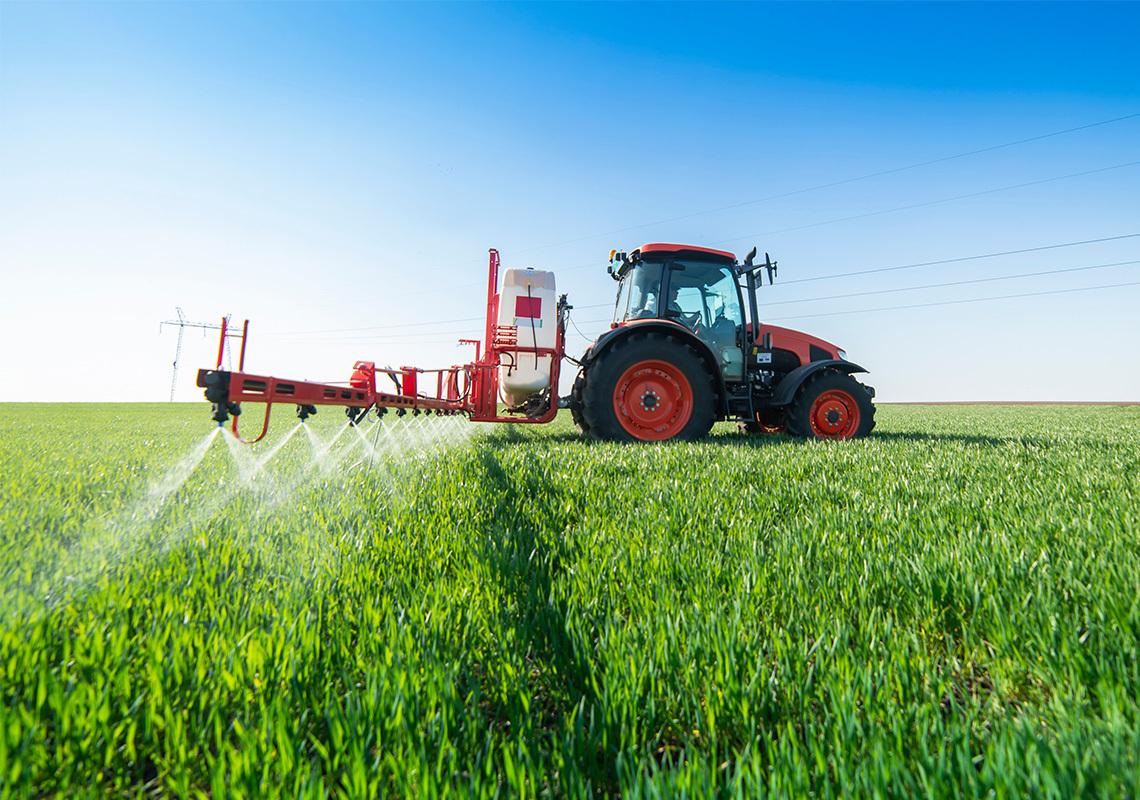
According to the AHDB Cereal & Oilseeds Market Outlook, the UK is seeing a strong start, with over 80% of winter wheat rated "good to excellent." However, this potential is tempered by high fixed costs. Such as nitrogen fertiliser prices climbing significantly since the recent hostilities in Iran began, with ammonium nitrate now exceeding £500/tonne.
While input costs haven't seen the extreme spikes of previous years, the Agricultural Price Indices indicate that sunk costs remain high compared to the forecasted grain prices. That’s what makes arable farming uniquely risky; the majority of your investment is committed long before you see a return.
Our specialist arable insurance is designed to ensure that if a crop is lost to an insured peril, our cover ensures you recover the actual value of those inputs, protecting your working capital.
SFI 2026 Managing Rotation
The Sustainable Farming Incentive (SFI) is now a central pillar of the arable business plan. However, the new £100,000 annual cap and the 25% area limit on actions like Enhanced Overwinter Stubble (AHW7) require more precise land management.
If you have land in an SFI agreement, it must still meet certain standards to trigger the payment. If that land is damaged or if your management plan is interrupted, your non-crop income is at risk. At Farm and General, we offer insurance that understands these new government schemes. We make sure your arable farming business insurance reflects exactly what you’re doing on the ground, whether that’s growing milling wheat or managing bird seed plots.
Harvest Logistics and GPS Theft
Modern arable farming relies on technology that puts a target on your tractor cab. Many farms used the Farming Equipment and Technology Fund (FETF) to invest in high-spec GPS systems and drones. It makes the job easier, but it puts a target on your cabs for organised crime.
In 2026, a GPS globe is the entry point for your farm’s data and the key to SFI compliance. Despite the Equipment Theft (Prevention) Act now mandating forensic marking for new units, the older legacy kit remains a high-value target. Recent reports from Hampshire Police highlight that organised gangs can strip globes and screens from cabs in minutes, often targeting multiple farms in a single night.
For an arable business, the cost of a stolen globe exceeds the £10,000–£15,000 replacement fee. It includes:
- Operational Costs: Re-mapping fields and losing a 48-hour weather window for drilling or spraying.
- Data Fragmentation: Losing the "as-applied" maps required for SFI evidence and environmental audits.
We offer insurance specifically for high-value machinery and GPS equipment. Our agricultural vehicle insurance is designed to get you back up and running without a significant delay.
Why the 12-Month Insurance Window Often Fails
Because of this, we suggest insurance for business interruption that’s tailored to the arable cycle. We often recommend an 18 or 24-month indemnity period. This gives you the breathing room to recover. If you lose a shed or a machine in 2026, you need to know your insurance is still supporting you when you’re trying to get the 2027 crop in the ground.
Pre-Harvest Check
Before the trailers start moving for the 2026 harvest, we suggest a review of your current risk strategy:
- Rebuild Costs: With the price of steel and concrete, is your grain store still covered for what it would cost to build today?
- GPS Records: Have you got the serial numbers and photos of your globes and screens? At Farm and General, we offer insurance that covers these, but having your records in order makes a claim much faster.
- SFI Paperwork: Does your insurance reflect the land you’ve moved into environmental schemes for 2026?
- Contractor Cover: If you’re bringing in extra help for harvest, is your employer’s liability up to date?
See You at Cereals 2026: Stand 351
The Farm & General (FNG) team is heading to Chipping Norton for the Cereals Event on Wednesday, 10th June - Thursday, 11th June 2026.
We’ll be there to talk about:
- Crop and Input Protection: Making sure your 2026 investment is safe.
- Machinery and GPS Security: How to protect your high-value kit.
- Business Interruption: Getting your timing right so you aren't left short.
- A No-Nonsense Pre-Harvest Checklist
While the location at Jeremy Clarkson’s Diddly Squat Farm this year will bring extra public attention, for most growers the focus is still on the crops, kit and what’s working. We’ll be there to discuss crop protection, GPS security and getting your indemnity periods right. As part of the larger Adler Fairways group, which gives national backing, come see us at Stand 351 to discuss protecting your 2026 harvest.
For arable farming in 2026, success is about staying steady despite the variables you can’t control. With high costs, tight margins, and the majority of your risk already committed to the ground before a single grain is cut, there is no room for standard protection.
We offer a partnership that understands the rhythm of your rotation and the value of your inputs. By aligning your insurance with the 2026 arable cycle, we help take the pressure off your shoulders, leaving you to focus on the harvest ahead.