August on the Farm: Managing Harvest Pressure and Operational Risk
August is when farming shifts into high gear. Harvest is moving fast; the kit is running hard and pressure is building across the entire farm.
Across long farm days filled with fieldwork, contractor coordination and livestock checks, reviewing your insurance is rarely the immediate concern. Still, financial disruption usually comes from the unexpected, whether that is a rejected load, a breakdown in equipment or an accident in a crowded yard; the risks are high. Here is how to protect your business when operations are at their busiest.
Grain quality and storage risk
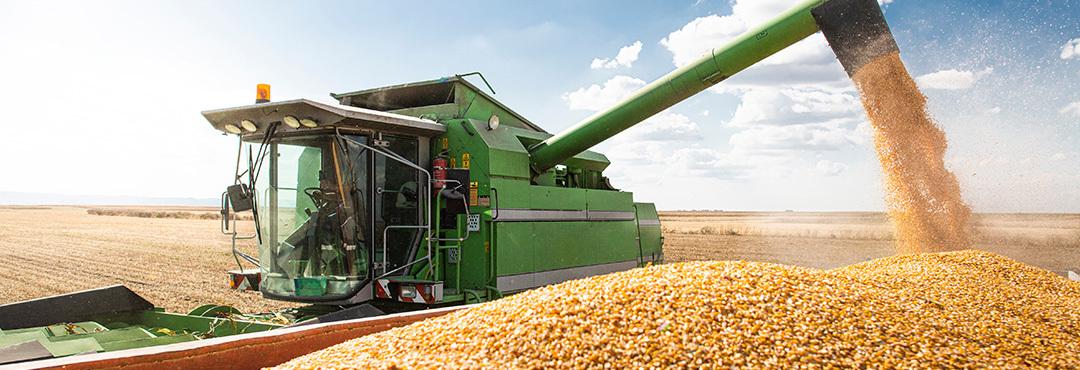
One of the most common harvest frustrations is grain being downgraded or rejected at intake due to condition issues such as heat damage, moisture variation or storage pests. In warm weather, grain temperatures can rise quickly in poorly ventilated stores, particularly where monitoring or cooling systems are not operating as expected.
The Agriculture and Horticulture Development Board (AHDB) has highlighted that grain storage management, including temperature monitoring and aeration, is a key factor in maintaining grain quality during harvest and storage periods.
This is where arable insurance cover for mechanical breakdown or storage equipment failure may become relevant, particularly where a breakdown leads to loss of crop quality or value; you should review whether your insurance arrangements provide appropriate protection against these potential losses.
Seasonal labour and harvest safety
August also demands an increased use of seasonal labour, contractors and temporary drivers. Seasonal labour is essential for keeping harvest moving, but unfamiliarity with machinery and long working hours can increase the likelihood of accidents.
The Health and Safety Executive (HSE) consistently identifies fatigue, poor maintenance and lack of training as common contributory factors in agricultural incidents.
While a quick safety walk-around helps mitigate risk, your legal and financial exposure changes the moment extra hands step onto your land. You should ensure your Employers' Liability and Public Liability cover accurately reflects your circumstances, as failure to do so could affect the outcome of a future claim.
If your staffing levels are changing this season, contact our team at Farm and General to ensure your policy remains sufficient to cover all your workers, whether permanent, temporary, paid or voluntary. Public Liability claims and Employers Liability claims can result in large, complex claims costs, making it essential that you have the appropriate cover to safeguard your business from third-party claims and accidents and the unknown costs attributed to these types of claims.
Harvest logistics and drying pressure
During peak harvest, farms face added pressure around grain movement and drying capacity. Delays in haulage or drying can mean grain sits longer in trailers or temporary storage, increasing exposure to heat and quality loss.
This is also a point where reliance on third-party contractors increases, which can introduce additional complexity around responsibility and timing.
Summer Conditions & Transport Risk
While arable operations focus on harvest, livestock systems are simultaneously managing environmental stress, water supply risks, and increased animal movements.
- Water Supply Vulnerability: In dry and warm conditions, water sources can become more vulnerable to contamination or stagnation. Blue-green algae outbreaks are more likely in warm, slow-moving water bodies and can present a risk to livestock if ingested. The UK Centre for Ecology & Hydrology has documented that blue-green algae growth is strongly linked to warmer temperatures and nutrient-rich, slow-moving water systems. Where primary water sources fail or become unsafe, the logistics of supplying alternative water or moving livestock can add operational pressure during an already busy period.
- Transport and Transit: August is also a key period for livestock movements ahead of autumn sales, breeding programmes and shows. Under the Department for Environment, Food & Rural Affairs (DEFRA) welfare rules, responsibility for animal welfare during transport includes ensuring animals are fit for travel and appropriately handled throughout the journey. Transport-related incidents, including loading accidents or trailer failures, can result in financial loss, particularly where higher-value or pedigree stock is involved. It is worth checking whether livestock insurance provides cover for animals in transit, as well as for on-farm mortality.
It may be appropriate to review whether livestock insurance includes cover for accidental loss, poisoning or emergency welfare-related events.
Across the Farm: Machinery Pressure and Road Risk
August also brings increased machinery movement between fields, storage sites and roads. Continuous use during harvest increases the likelihood of mechanical breakdowns, particularly in older or heavily used equipment. At the same time, road movements involving tractors, combines and trailers increase exposure to third-party risk.
This is also a period where fuel, tools and machinery left in fields or yards can be more vulnerable to opportunistic theft or damage. Reviewing your physical security measures and increasing on-site precautions is just as important as having the right cover to prevent claims in the first place. Simple actions, such as reducing the visibility and accessibility of high-value equipment is essential to lowering the likelihood of theft. Before harvest is fully underway, reviewing your farm machinery and agricultural vehicle insurance helps make sure equipment, trailers and liability cover still reflect the demands of the season.
Keeping Control During Peak Season
August will always be a high-pressure month in farming. The challenge is not removing the pressure but managing the risks that come with it.
Checking your machinery and livestock cover, liability limits and storage risks before harvest is fully underway can help reduce the likelihood of disruption when operations are at their busiest. Ready to harvest with confidence? Contact the team to double-check your seasonal limits before the pressure peaks.
The information contained in this article is for general information purposes only and does not constitute advice or a recommendation. Insurance cover, terms, conditions and exclusions vary between insurers and policies.